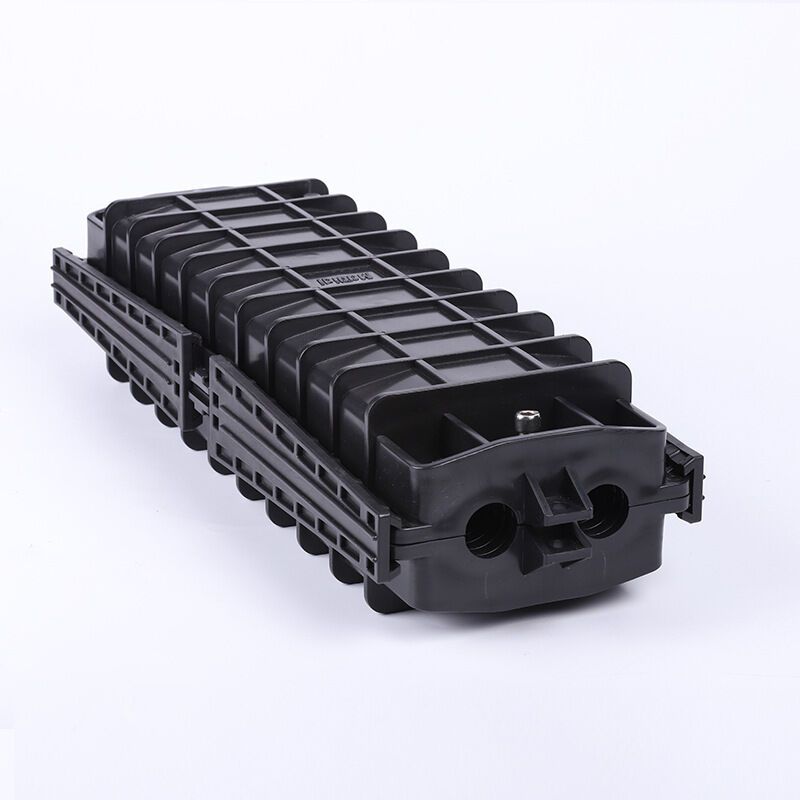
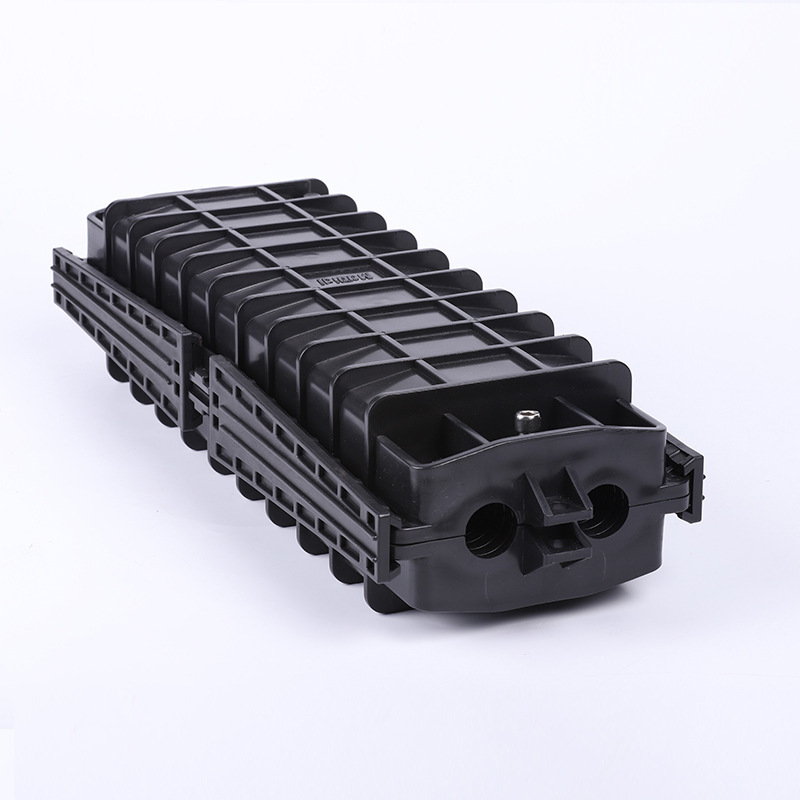
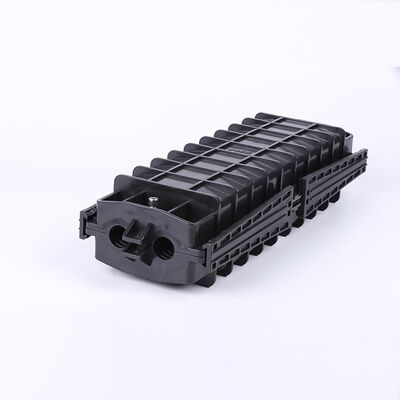
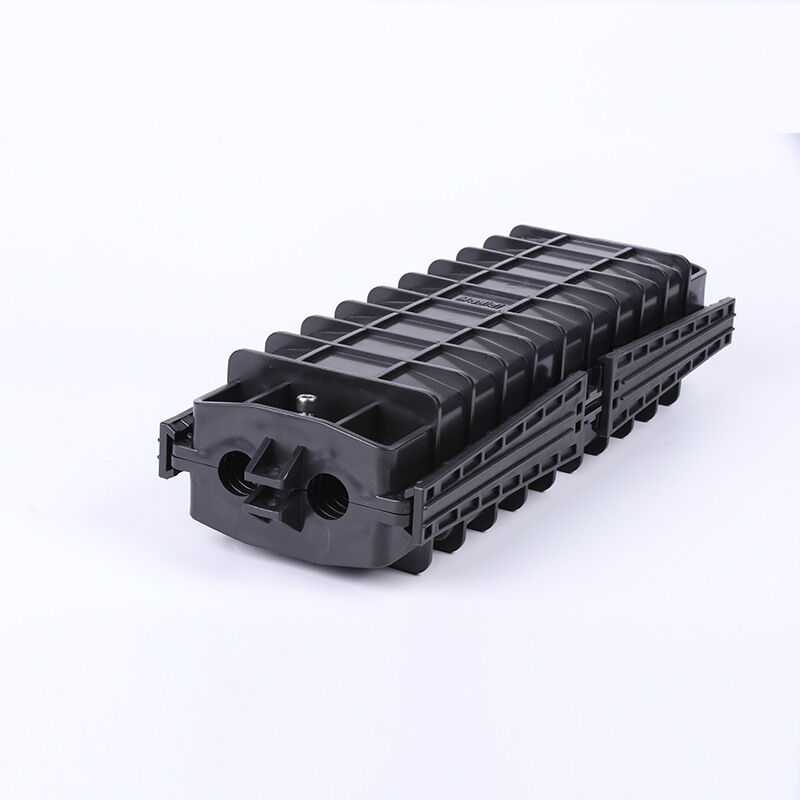
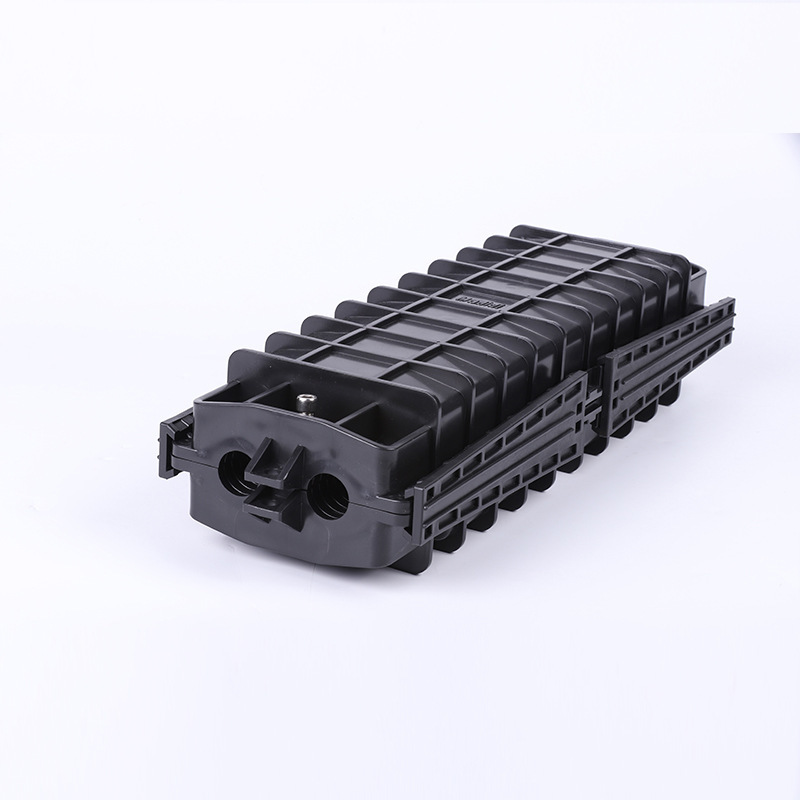
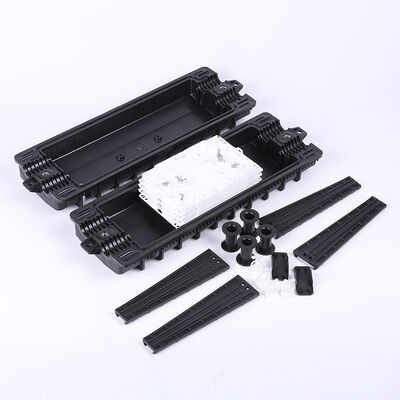
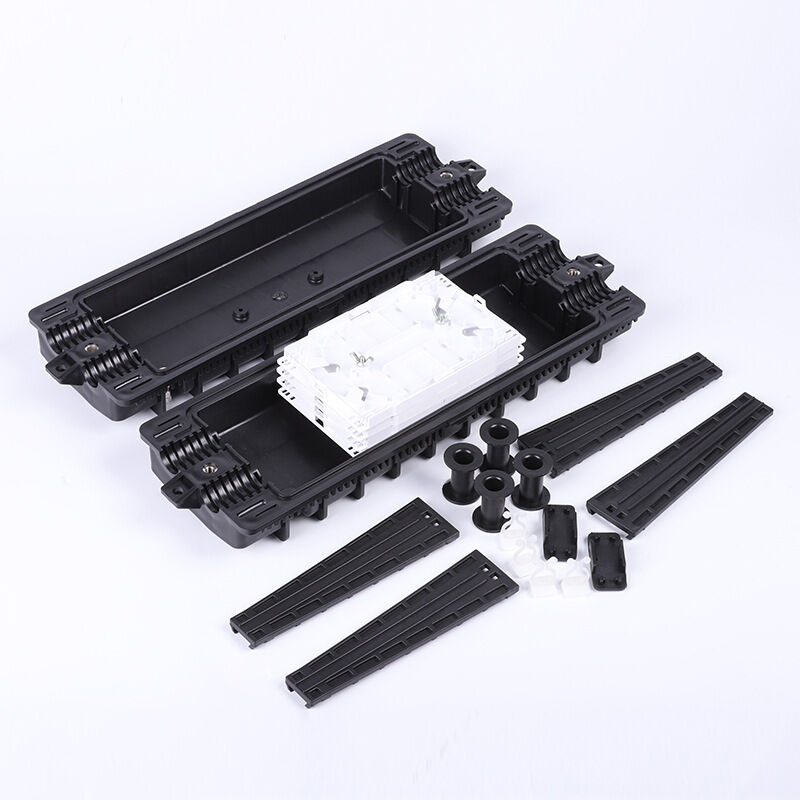
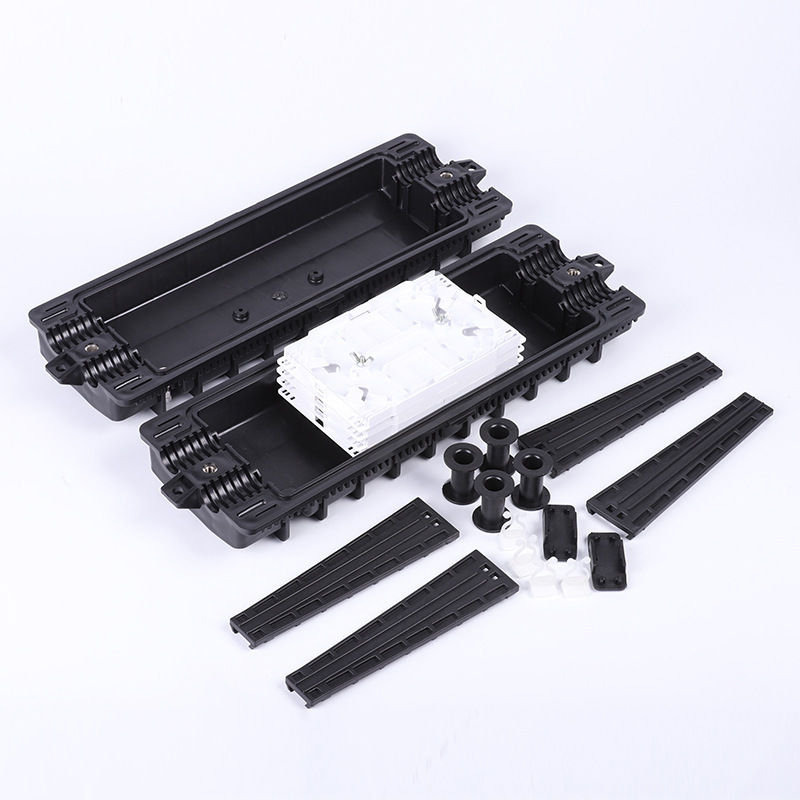
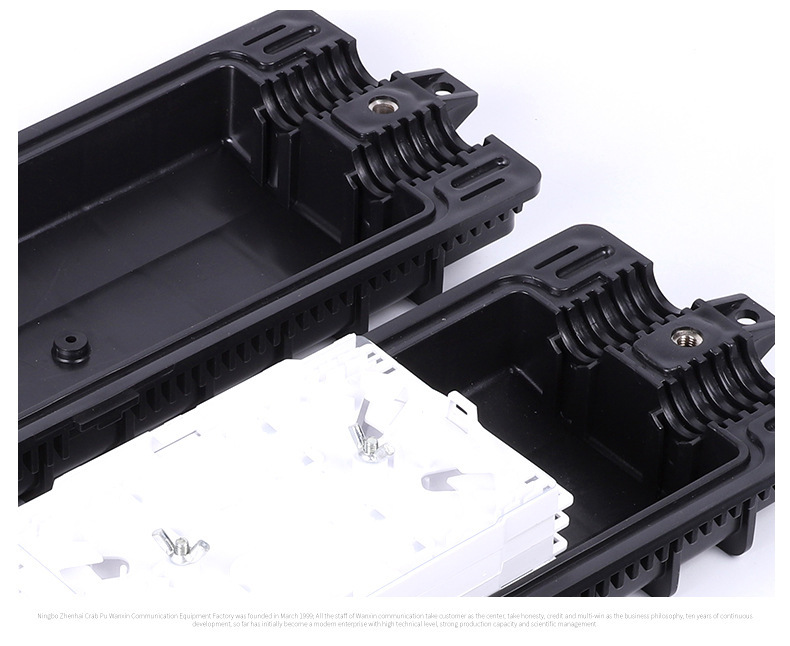
48 Cores Inline Type Fiber Optic Splice Closure 2 In 2 Out Waterproof
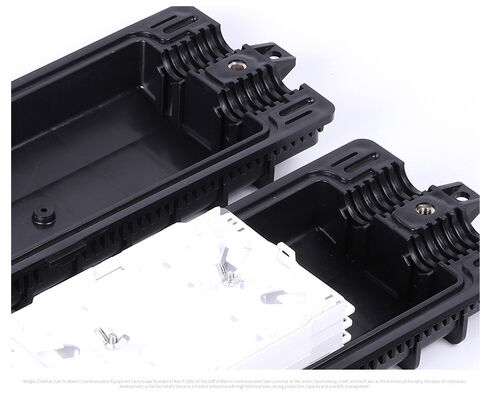
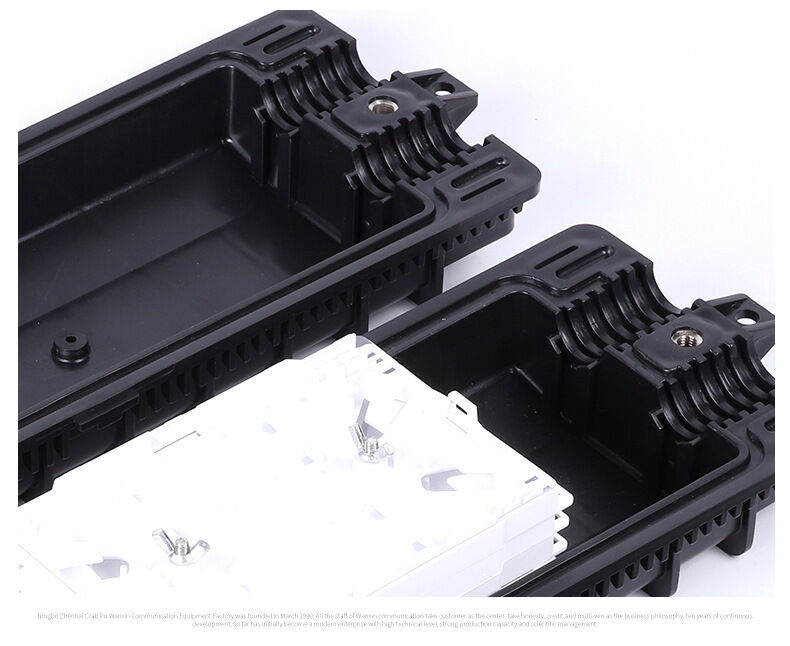
An inline fiber optic closure is a protective housing used to splice, branch, and store fiber optic cables along a run of a cable route. Unlike a dome or wall-mounted closure, it is designed to be installed in-line (directly on the cable) in aerial, underground, or buried applications, creating a sealed, durable, and re-enterable junction point.
Specification:
| Advantages |
Disadvantages |
| Environmental Protection: Excellent seal against moisture/contaminants. |
Installation Skill: Requires trained technicians for proper sealing. |
| Mechanical Protection: Shields splices from crush, impact, and strain. |
Size: Can be bulky, especially for high fiber counts. |
| Flexibility: Re-enterable for network modifications. |
Cost: Higher initial cost than simple mechanical sleeves (but justified for permanent installations). |
| Organization: Internal trays keep fibers managed and identifiable. |
Aerial Wind Load: Adds a point of wind load on the aerial span. |
Types:
1.1 By Installation:
Aerial: Mounted on a support strand between poles. Lightweight, UV-resistant, with strong hanging brackets.
Underground/Buried: Installed in manholes, handholes, or directly buried. Have robust, corrosion-resistant shells and often a cylindrical "pill" shape to withstand backfill pressure and moisture.
Duct: Installed within a conduit or duct run.
1.2 By Cable Entry/Exit:
Throughput (Straight-Through): The most common. Cable enters one end and exits the other, maintaining the linear path. Used for point-to- point splicing.
Branching (Tap): One or more cables enter, and multiple smaller cables branch out. Used for network distribution or splitting.
Butt Splicing: Two cables come in from opposite ends and are spliced together internally.
Applications:
2.1 Long-Haul & Trunk Networks: Splicing together cables over long distances (e.g., between cities).
2.2 Fiber-to-the-Home (FTTH) Networks: Creating distribution points where a feeder cable is branched into multiple drop cables.
2.3 Network Repair & Restoration: Quickly restoring a severed cable by splicing in a new section.
2.4 Cable Segment Joining: Connecting manufacturing-length cable reels during initial deployment.
2.5 Transition Points: Changing cable types (e.g., from aerial to buried) or connecting armored to non-armored cable.
How to Select the Right Inline Closure:
3.1 Environment: Aerial, buried, underwater? Determines the IP (Ingress Protection) rating (e.g., IP68 for submersible) and material strength.
3.2 Cable Count & Fiber Count: Must accommodate the number of cables and total fiber strands (e.g., 2 cables x 144 fibers each).
3.3 Re-enterability: Do you need to add fibers or reconfigure later? Most are designed for multiple re-entries.
3.4 Sealing Method: Heat-shrink (very reliable but needs a torch), gel-seal (cleaner, tool-less), or mechanical compression.
3.5 Size & Port Configuration: Ensure it has enough ports of the correct diameter for your cables.
3.6 Standards Compliance: Should meet relevant industry standards (e.g., Telcordia GR-771, ICEA).


 Your message must be between 20-3,000 characters!